
Home/ The Journal/ bloating
bloating
Foods to Avoid When Bloated: 7 Gas-Causing Triggers
We’ve all been there: you start the day feeling light and energized, but by 2:00 PM, your favorite jeans feel two sizes too small. That uncomfortable, tight, "balloon-like" sensation isn't just in your head—it’s your digestive system struggling to keep up with the demands of the day.

Short version: The foods to avoid when bloated are the gas-makers and the water-holders: beans and lentils, cruciferous vegetables, onions and garlic, sugar-free sweeteners, fizzy drinks, salty processed food, and dairy if lactose bothers you. Some feed the bacteria that make gas. Others make you hold water. Both leave you tight and puffy.
- A healthy gut makes 1 to 4 pints of gas a day and passes it 13 to 21 times. Bloat is when that gas gets trapped.
- Sugar-free gum is a hidden trigger. As little as 10 grams of sorbitol can start gas and bloating.
- Food already moves slower through a woman's gut, about 42 hours versus 30 for men, so trapped gas sits longer.
Last updated July 2026.
Your jeans fit this morning. By 2pm they pull at the waist. That balloon feeling is real, and it is almost never fat.
The foods to avoid when bloated are the ones that trap gas or make you hold water: beans and lentils, cruciferous vegetables, onions and garlic, sugar-free sweeteners, fizzy drinks, salty processed food, and dairy if lactose bothers you. Most gas is normal. A healthy gut makes about 1 to 4 pints a day and passes it 13 to 21 times (NIDDK). Bloat is when it gets stuck.
Here is the part most lists skip. That tight, two-sizes-too-small feeling is not you failing at willpower. It is trapped gas and retained water. And both come mostly from what is on your plate.
What are the foods to avoid when bloated?
Skip the ones that ferment loudly or hold water. Each food below either feeds gas-making bacteria or pulls water into your gut and tissues. Here is the short list, why each one puffs you up, and a gentler swap.
| Food | Why it bloats you | The switch |
|---|---|---|
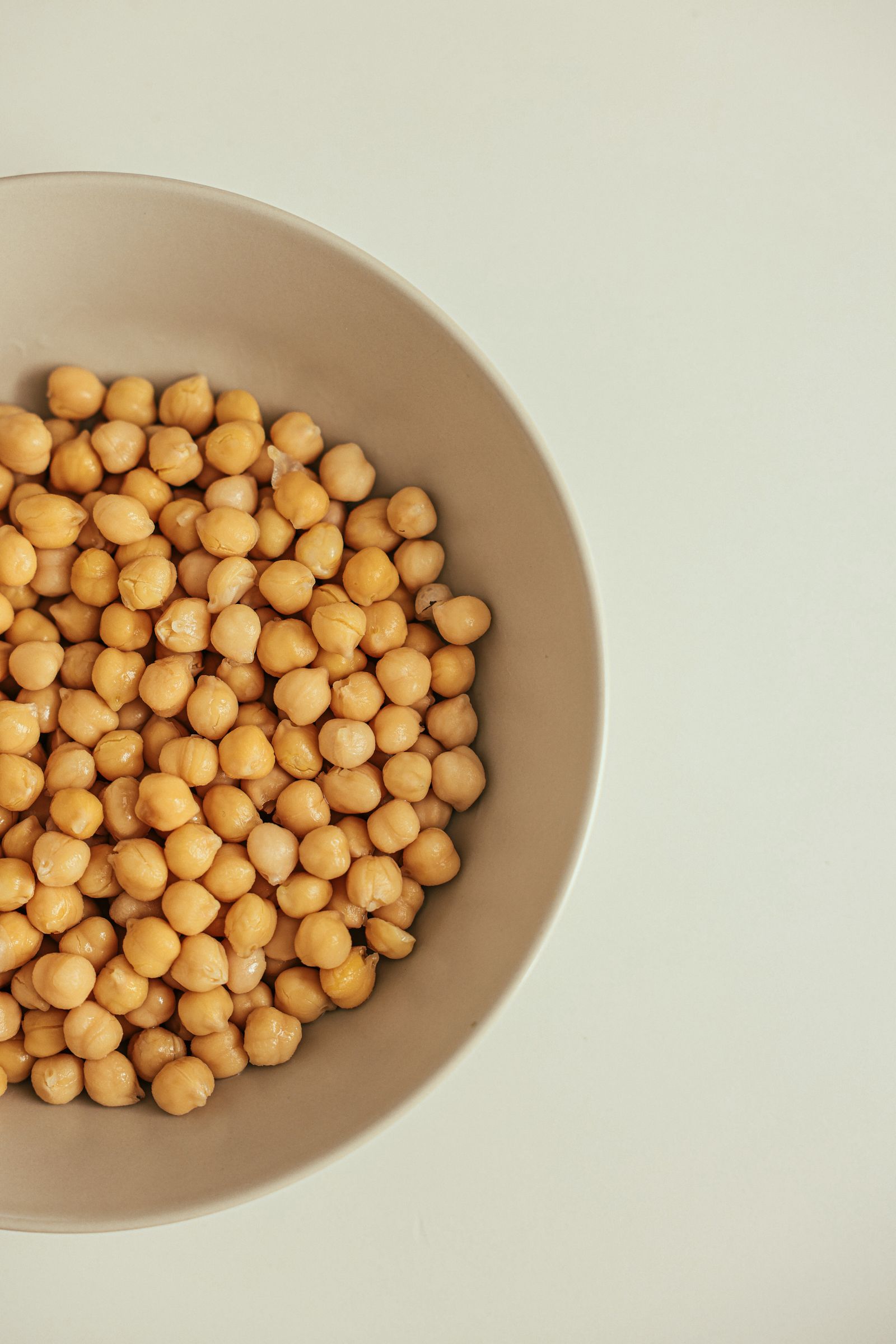
| Beans and lentils | Complex sugars called GOS ferment in the colon and make gas. | Firm tofu, or small portions of well-rinsed canned beans. |
| Cruciferous veg (broccoli, cabbage, Brussels sprouts) | Raffinose stays undigested until gut bacteria ferment it. | Spinach, zucchini, carrots. |
| Onions and garlic | Fructans are highly fermentable, even in small amounts. | Garlic-infused oil, chives, the green tops of leeks. |
| Sugar-free gum and candy | Sorbitol and xylitol pull water in and ferment. | A small piece of real fruit. |
| Fizzy drinks (soda, sparkling water) | Every bubble is swallowed gas that can get trapped. | Still water, herbal tea. |
| Salty processed food | Sodium makes your body hold on to water. | Fresh food seasoned with herbs and spices. |
| Dairy (if lactose bothers you) | Undigested lactose draws in water and ferments. | Lactose-free milk, or hard aged cheese. |
Why do these foods make you bloat?
Two things drive most bloat: gas and water. The foods above hit one or both.
The first driver is fermentation. Some carbs slip past your small intestine undigested. Then bacteria in your colon feast on them and release gas. Beans and cruciferous veg carry raffinose, a sugar your body cannot break down on its own (NIDDK). Onions and garlic carry fructans, which the low-FODMAP research at Monash University flags as some of the most fermentable fibers there are (Monash FODMAP).
The second driver is water pulled the wrong way. Sugar alcohols like sorbitol are barely absorbed, so they drag water into your gut. In one study, as little as 10 grams caused mild gas and bloating, and 20 grams brought cramps (Hyams, 1983). Lactose does the same thing when you are short on the enzyme to break it down (NIDDK).
Then there is salt. Sodium does not make gas. It makes you hold water. Eat a salty meal and your body keeps extra fluid to balance it, which reads as puffy and tight (NIH MedlinePlus). And carbonation is the simplest one of all. Every bubble in a soda or sparkling water is gas you swallow, and some of it gets trapped.
So bloat is not one villain food. It is a plate that either feeds gas or holds water, sitting in a gut that is slow to begin with.
Does fiber help or hurt when you are bloated?
Both, and the timing is everything. Fiber supports regularity over time. But adding a lot of it fast, right when you are already bloated, can make gas worse before it gets better (NIDDK).
The honest read: most women eat about 15 grams of fiber a day when the target is 22 to 34. Closing that gap is good for regularity. It is not an on-the-spot fix for a bloated afternoon.
The move is to add fiber slowly, a few grams at a time, and drink water alongside it. If you use a supplement to close the gap, the same rule holds. Seya's one product is a vegan fiber gummy with resistant tapioca fiber, about 5 grams a day across 3 gummies, ingredients you can name.
Fiber supports regularity. That is the claim, and nothing past it. Start low, go slow, and let your gut adjust. For your daily number, see how much fiber women need per day, and for the bigger picture read why most women fall short on fiber.
These statements have not been evaluated by the Food and Drug Administration. This product is not intended to diagnose, treat, cure, or prevent any disease.
Why does bloat hit women harder?
Because a woman's gut runs slower to start with. Food takes about 42 hours to move through a woman's colon, versus about 30 for men (Meier et al.). A slower gut gives fermenting food more time to make gas, and gives that gas more time to sit.
Hormones stack on top of it. Bloat that shows up in the week before your period is common and normal. If that is your pattern, our guide on luteal phase bloating walks through why. None of it is a discipline problem. It is a slower system meeting a fermenting plate. You can change the plate today.
When should you see a doctor about bloating?
Most bloat eases within a day or two once you cut the triggers and the water settles. Some does not. Call your doctor if:
- Bloating comes with sharp or severe belly pain.
- You see blood in your stool, or your bowel habits change and stay changed.
- You bloat no matter what you eat, or it will not let up for weeks.
Diet is the lever you control day to day. A doctor rules out the rest.
Frequently asked questions
What foods make you bloated?
The main ones are beans and lentils, cruciferous vegetables like broccoli and cabbage, onions and garlic, sugar-free sweeteners like sorbitol and xylitol, fizzy drinks, salty processed food, and dairy if lactose bothers you. Some feed the gut bacteria that make gas, and others make you hold water. Both leave you tight and puffy (NIDDK).
What can I eat to reduce bloating?
Reach for low-fermentation foods and still water. Spinach, zucchini, carrots, cucumber, ripe bananas, and lean protein are gentle on a bloated gut. Season with herbs instead of salt. Trade fizzy drinks for water or herbal tea. Keep portions moderate, since even gentle foods bloat you if you overeat them.
Does sparkling water cause bloating?
It can. Every bubble is gas you swallow, and some of it gets trapped in your stomach and gut (NIDDK). If you feel puffy after fizzy drinks, switch to still water for a few days and see if it settles.
Does salt make you bloated?
Yes, but through water, not gas. A salty meal makes your body hold extra fluid to balance the sodium, which shows up as a puffy, tight feeling (NIH MedlinePlus). It usually passes within a day or two once you cut the salt and drink water.
Does fiber help or make bloating worse?
Both, depending on how you add it. Fiber supports regularity over time, but piling on a lot at once can make gas worse right away (NIDDK). Add it slowly, a few grams at a time, and drink water alongside it so your gut can adjust without the extra gas.
How long does food bloating last?
Usually a day or two. Gas passes and water settles once you cut the triggers. Because a woman's gut is slower, about 42 hours of transit versus 30 for men, it can linger a little longer for you (Meier et al.). If bloat lasts for weeks or comes with pain, see a doctor.
Seya Full Fiber
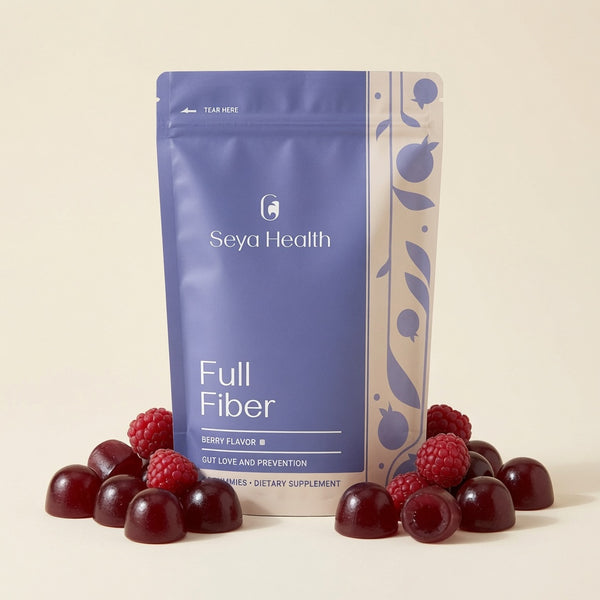
Your gut bacteria run on fiber. Seya Full Fiber delivers 6 grams from three fibers in one to feed the beneficial bacteria in your gut and support short-chain fatty acid production. Plant based, no gelatin, no sugar alcohols.
Shop Full FiberKeep reading
fiber
Can a Multivitamin Replace Vegetables? What Supplements Can't Do for Your Gut
constipation
The Best Way to Beat Constipation in Your 30s (and Where Fiber Gummies Fit)
fiber
The Gut-Skin Axis: Does Your Gut Health Affect Your Skin?
The gut-skin axis, explained: how your gut bacteria and blood sugar affect your skin, w...