

Short version: The luteal phase is the second half of your cycle, from ovulation to your period. For most women it lasts about 14 days. Progesterone rises, then drops, and that drop is what you feel as PMS.
- The luteal phase holds near 14 days. The first half of your cycle is the part that varies.
- To estimate ovulation, take your cycle length and subtract 14.
- Over 90% of women get some premenstrual symptoms. You are not the only one.
Last updated July 2026.
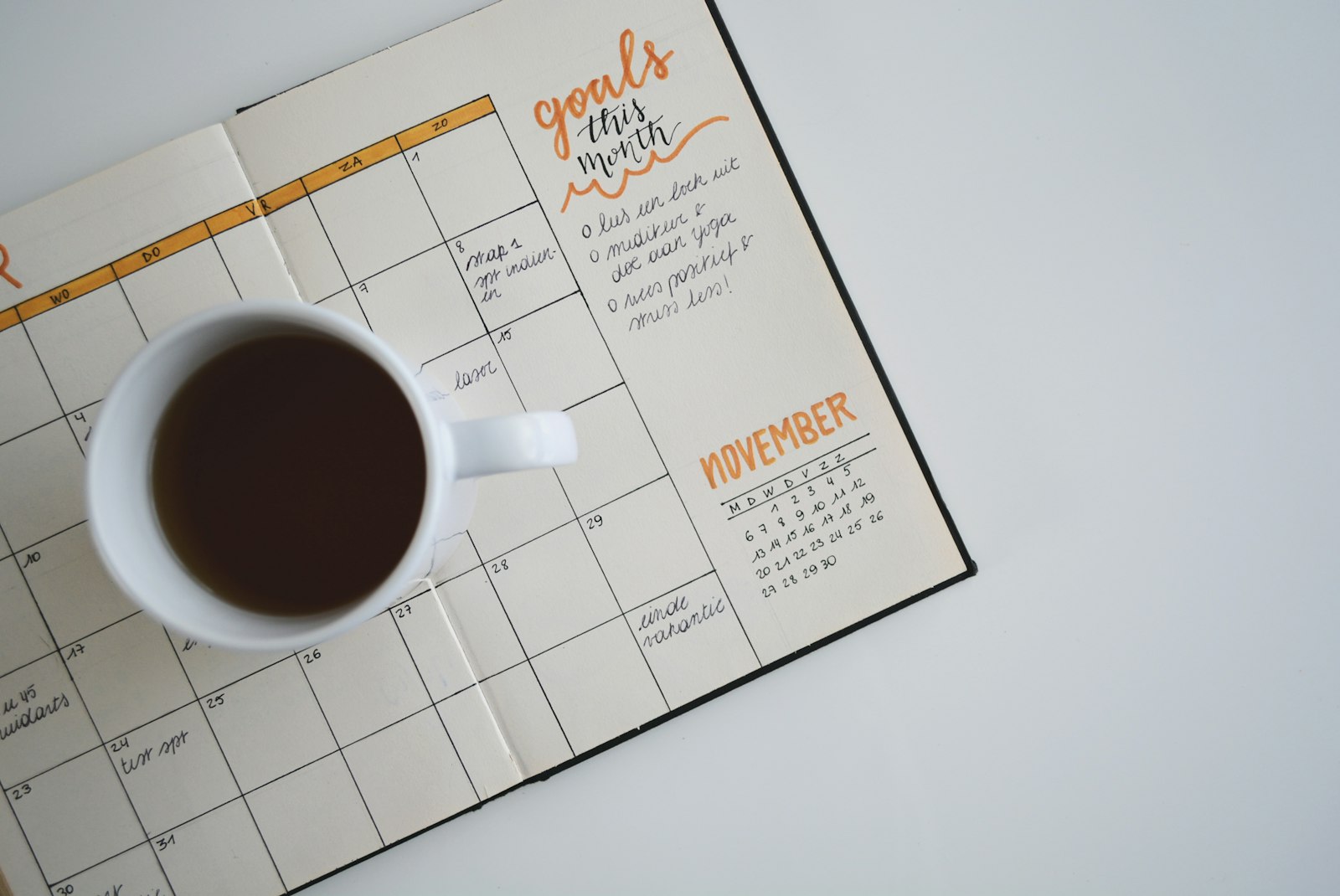
Count back 14 days from your next period. That is roughly when your luteal phase begins.
The luteal phase is the second half of your cycle. It runs from ovulation to the day your period starts. For most women it lasts about 14 days.
You feel it before you can name it. Sore breasts. A tight belly. A shorter fuse by dinner.
None of that means you did something wrong. It is a hormone shift on a schedule.
What is the luteal phase, exactly?
The luteal phase is the stretch between ovulation and your period. It lasts about 14 days for most women.
Your cycle has two halves. The first is the follicular phase. It starts on day 1 of your period and runs up to ovulation.
The second half is the luteal phase. After the egg releases, the empty follicle becomes a small gland called the corpus luteum. That gland pumps out progesterone.
Progesterone is the hormone of the second half. It builds up your uterine lining and, along the way, slows your gut and holds water.
"The luteal phase of the cycle is relatively constant in all women, with a duration of 14 days." — NIH Endotext, The Normal Menstrual Cycle and the Control of Ovulation
How long does the luteal phase last?
About 14 days for most women, and that length barely moves.
Here is the part people miss. The luteal phase stays close to 14 days even when your whole cycle runs long or short.
The half that changes is the follicular phase. It can run anywhere from 10 to 16 days. That is why a 26-day cycle and a 32-day cycle can both be normal.
So a longer cycle is usually not a luteal problem. It is your follicular phase taking its time.
How do you calculate your ovulation day?
Take your usual cycle length and subtract 14. That lands you near your ovulation day.
Because the luteal phase holds steady near 14 days, you count backward from your next period, not forward from your last one.
A 28-day cycle points to ovulation around day 14. A 31-day cycle points to about day 17.
Track a few cycles first. Your average length is more useful than any single month.
What causes PMS in the luteal phase?
PMS shows up because progesterone climbs after ovulation, then falls right before your period. That drop is the trigger.
In the 5 or so days before bleeding, you may feel bloated, tender, tired, or quick to snap. It tends to ease within about 4 days after your period starts.
This is common, not rare. The U.S. Office on Women's Health reports that over 90% of women get some premenstrual symptoms, and as many as 3 in 4 get them at some point in life. Fewer than 5% have the severe form, called PMDD. You can read the full list at the Office on Women's Health guide to PMS.
That heavy, weepy, puffy stretch is not you failing to cope. It is a signal tied to a falling hormone. The bloating side has its own mechanics, which we break down in luteal phase bloating.
Should you change how you exercise across your cycle?
For most women, no. You can train through every phase of your cycle.
A large review pooled 78 studies and 1,193 women. It found that cycle phase moves performance only a little, and mostly in the early days of your period.
The researchers wrote that performance "might be trivially reduced during the early follicular phase," and that a "personalised approach" beats any fixed rule. See the Sports Medicine meta-analysis on cycle phase and exercise.
So there is no phase you have to sit out. If your luteal days feel heavier, lower the load and keep moving.
One luteal change you can act on is digestion. Progesterone slows your gut, so things back up. Steady fiber helps keep them moving, which is a small lever that runs all month, not just on bad days. If you often fall short, see why most women miss the fiber target.
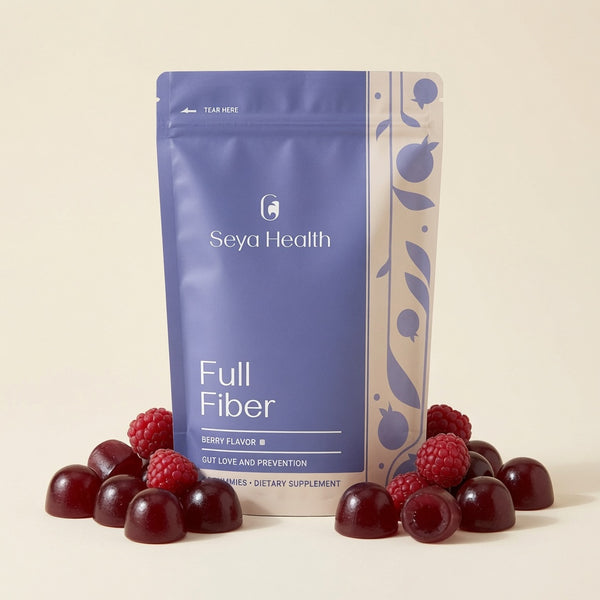
Seya stays specific, not loud. The evidence that fiber supports regularity earns a grade of C at about 5 grams, roughly half the dose used in the bigger trials. So that is all we claim. 3 vegan gummies with resistant tapioca fiber, ingredients you can name, are an honest daily habit. They are not a fix for a medical problem, and they will not change your hormones.
These statements have not been evaluated by the Food and Drug Administration. This product is not intended to diagnose, treat, cure, or prevent any disease.
Related reading: our daily fiber gummy for women and more from the Seya journal.
Frequently asked questions
What is the ovulation period, and how is it calculated?
The ovulation period is the short window when your ovary releases an egg, near the middle of your cycle. To estimate it, take your usual cycle length and subtract 14, because the luteal phase after ovulation holds steady near 14 days. A 28-day cycle points to ovulation around day 14, and a 31-day cycle points to about day 17. Track a few cycles and use your average length.
Is spotting normal after ovulation?
Light spotting can be normal, but it is not common. In a BioCycle study of 201 regularly menstruating women, only 4.8% had midcycle bleeding. A few drops around ovulation usually reflect the hormone shift. Bleeding that is heavy, happens every cycle, or comes with pain is worth raising with a doctor.
Is there an evolutionary purpose for PMS?
There are theories, but no settled answer. Researchers have proposed that premenstrual symptoms may have signaled the end of a non-pregnant cycle, yet that stays a hypothesis, not a proven fact. What is clear is the mechanism: PMS tracks the progesterone drop before your period, and over 90% of women report some premenstrual symptoms. So it is a signal, not a character flaw.
Is it good to exercise during all parts of the menstrual cycle?
For most women, yes. A review of 78 studies and 1,193 women found that cycle phase makes only a trivial difference to performance, mostly in the early days of your period. There is no phase you must skip. On heavier luteal days, lower the intensity and keep moving rather than stopping.
Related reading
- How Much Fiber Do Women Actually Need? Grams by Age, and Why It's More Than You Think
- PMS Explained: Mood Swings, Symptoms & What Actually Helps
Seya Full Fiber
Your gut bacteria run on fiber. Seya Full Fiber delivers 6 grams from three fibers in one to feed the beneficial bacteria in your gut and support short-chain fatty acid production. Plant based, no gelatin, no sugar alcohols.
Shop Full FiberKeep reading
fiber
Can a Multivitamin Replace Vegetables? What Supplements Can't Do for Your Gut

constipation
The Best Way to Beat Constipation in Your 30s (and Where Fiber Gummies Fit)
fiber
The Gut-Skin Axis: Does Your Gut Health Affect Your Skin?
The gut-skin axis, explained: how your gut bacteria and blood sugar affect your skin, w...