
Home/ The Journal/ creatine
creatine
Creatine forms compared: monohydrate, HCl, nitrate, micronized, and ethyl ester

Short version: Of all the creatine forms on the shelf, plain monohydrate has by far the most proof. It was the form used in 275 of 343 creatine trials (80%), per a 2026 review in Nutrients. No other form has been shown to beat it in a consistent way.
- Best pick: creatine monohydrate. Micronized and Creapure are both monohydrate.
- Fine, but no better: HCl, nitrate, and buffered creatine.
- Skip: creatine ethyl ester. In one trial it raised a waste product more than creatine.
- Dose: 3 to 5 g of creatine a day, whatever the form.
Last updated November 2026.
You open a supplement site and see six kinds of creatine. Monohydrate. HCl. Nitrate. Micronized. Ethyl ester. Something called Creapure. Each label says it is the best one.
So which form should you buy? Here is what the human trials found for each one, in plain words. Seya does not sell a creatine product yet, so no brand paid to be here.
What are the main creatine forms?
Every form has the same goal: to get creatine into your muscles. What changes is the molecule it is bonded to, or how fine the powder is ground.
A 2022 review counted the claims. It found that no form of creatine had been shown to work better than monohydrate. Most others were less studied, cost more, or held less creatine per gram. See Kreider et al. (Nutrients, 2022).
A study of 175 creatine products on Amazon found 16 forms besides monohydrate. About 88% of products with those other forms had little or no evidence behind their claims. See Escalante et al. (JISSN, 2022).
New to creatine? Start with what creatine is and does.
Creatine forms compared at a glance
| Form | What it is | Evidence | Verdict |
|---|---|---|---|
| Monohydrate | Creatine plus one water molecule | Hundreds of trials | The gold standard |
| Micronized | Monohydrate ground into finer powder | Same as monohydrate | Good, mixes easier |
| Creapure | A brand of monohydrate made in Germany | Same as monohydrate | Good, a purity choice |
| HCl | Creatine bonded to hydrochloric acid | A few small trials | Works, no proven edge |
| Nitrate | Creatine bonded to nitrate | A few short trials | Works, no proven edge |
| Buffered (Kre-Alkalyn) | Monohydrate with an alkaline powder | One key trial | No better |
| Ethyl ester | Creatine bonded to an ethyl group | Mixed, mostly poor | Skip it |
What is creatine monohydrate?
It is creatine joined to one water molecule. By weight, it is about 88% creatine. That is more than HCl, at about 78%. See Kreider et al. (2022).
It is also the cheapest. In the Amazon study, monohydrate cost about $0.12 per gram. Other forms cost about $0.26, more than twice as much. See Escalante et al. (2022).
Almost every result you have heard about creatine, from strength to lean mass, comes from monohydrate trials. For what it can and cannot do, see the creatine monohydrate evidence scorecard.
What is micronized creatine?
It is monohydrate ground into smaller particles. The creatine is the same. The finer powder stirs into water more easily and leaves less grit at the bottom of the glass.
Does it absorb better? One 2026 trial of a branded micronized powder in 52 active men reported better results than a standard monohydrate. It is a single study of one product, so treat it as a first look, not proof. See Aggarwal and Agarwal (Cureus, 2026).
Bottom line: micronized is a texture upgrade. Pick it if gritty powder bothers you.
What is Creapure, and is it different from monohydrate?
Creapure is a brand name for creatine monohydrate made in Germany by AlzChem. It is not a new form. Researchers often use it as their standard monohydrate. One trial below used it as the comparison. See Jagim et al. (JISSN, 2012).
People choose it for the maker's purity testing, not for a stronger effect. Any monohydrate with an outside lab seal can do the same job. For what the seals mean, see creatine purity and safety.

What is creatine HCl?
It is creatine bonded to hydrochloric acid. It dissolves far more easily in water. Brands say that means you can take a smaller dose with less bloating.
The trials do not back that up well. In most head-to-head trials, HCl did no better than monohydrate. One 2026 trial in 40 soccer players did find HCl ahead on jump and sprint tests, so the question is not fully closed. See Duan et al. (JISSN, 2026).
For the full matchup, read creatine monohydrate vs HCl.
What is creatine nitrate vs monohydrate?
Creatine nitrate is creatine bonded to nitrate, the same compound found in beets. The idea is to get two benefits in one scoop.
In a 28-day trial of 48 adults, 3 g of creatine nitrate gave about the same gains as 3 g of monohydrate. The authors found no safety concerns. See Galvan et al. (JISSN, 2016).
A separate 28-day trial of 58 adults found 1 to 2 g a day appeared safe. See Joy et al. (JISSN, 2014).
So nitrate seems to work. It has not been shown to work better, and it has far fewer studies.
What is creatine ethyl ester?
It is creatine bonded to an ethyl group. It was sold as a form your body absorbs better. The best trial says the opposite.
In a 7-week lifting trial of 30 men, ethyl ester raised blood creatine less than monohydrate. It raised creatinine, a waste product, more. It did not beat monohydrate on muscle, strength, or power. See Spillane et al. (JISSN, 2009).
Lab tests help explain why. Outside very strong acid, ethyl ester tends to turn into creatinine. See Gufford et al. (J Diet Suppl, 2013). The 2026 soccer trial above did see gains with it, but one small study does not undo that record.
Higher creatinine can also make a kidney blood test look worse than it is. See creatine vs creatinine.
Is buffered creatine any better?
No. Buffered creatine, sold as Kre-Alkalyn, is said to break down less in your stomach, so you need less.
A 28-day trial in 36 trained adults tested it head to head. Neither the label dose of 1.5 g nor a full dose beat monohydrate on muscle creatine, body makeup, or strength. See Jagim et al. (2012).
What is the best form of creatine to take?
For most people, plain creatine monohydrate. It has the most proof, the most creatine per gram, and the lowest price. Here is how to choose a tub:
- Look for "creatine monohydrate" as the only creatine on the label. Micronized or Creapure is fine.
- Check the grams. Aim for 3 to 5 g of creatine a day. See Antonio et al. (JISSN, 2021).
- Look for an outside lab seal. Only 8% of the Amazon products had one. See Escalante et al. (2022).
- Skip blends that hide the amount of each form.
Prefer not to scoop? Format matters too. See creatine gummies vs powder and how to choose a creatine.
Can you mix creatine forms or take it with pre-workout?
You can, but there is little reason to. No trial we found tested nitrate and monohydrate taken together. What counts is your total creatine for the day.
Many pre-workout powders contain some creatine. Check the label for the grams. Count that toward your 3 to 5 g, and top up only if you fall short. Pre-workouts can also carry a lot of caffeine. For how creatine fits with your other drinks, see creatine with protein, coffee, and pre-workout.
Is any creatine form safer?
Monohydrate has the longest safety record by far. The newer forms have only short trials, often 4 weeks or less.
Talk to your doctor before any creatine if you:
- have kidney disease or reduced kidney function,
- are pregnant or breastfeeding,
- take daily prescription medicine.
For more, see is creatine safe for women.
Where Seya fits, honestly
Seya sells one product today: a fiber gummy that supports regularity. Our creatine gummy is coming January 2027. It is not on sale yet, and we will not share its dose, price, or form until the formula is final.
Until then, a plain monohydrate with an outside lab seal will do the job. This is education, not medical advice. No supplement can promise results.
These statements have not been evaluated by the Food and Drug Administration. This product is not intended to diagnose, treat, cure, or prevent any disease.
Frequently asked questions
What is creatine monohydrate?
It is creatine joined to one water molecule, about 88% creatine by weight. It is the form used in about 80% of creatine trials and the cheapest per gram.
What is creatine HCl?
Creatine bonded to hydrochloric acid. It dissolves more easily, but most trials found it worked no better than monohydrate.
What is creatine nitrate vs monohydrate?
Creatine nitrate adds nitrate to creatine. In a 28-day trial, 3 g of it worked about as well as 3 g of monohydrate. It has far fewer studies.
What is creatine ethyl ester?
Creatine bonded to an ethyl group. In a 7-week trial it raised blood creatine less than monohydrate and raised creatinine more. Most experts suggest skipping it.
What is micronized creatine?
Monohydrate ground into a finer powder. It mixes more easily. The creatine itself is the same.
What is Creapure and is it different from monohydrate?
Creapure is a brand of creatine monohydrate made in Germany. It is the same form, chosen for the maker's purity testing.
What is good quality creatine?
Plain creatine monohydrate, 3 to 5 g per serving, with an outside lab seal and no hidden blends.
Is creatine monohydrate the best type of creatine?
Yes, for most people. No other form has been shown to work better in a consistent way, and monohydrate costs less.
Should I take creatine if my pre-workout has creatine in it?
Check how many grams it has. Count it toward your 3 to 5 g a day and add more only if you fall short.
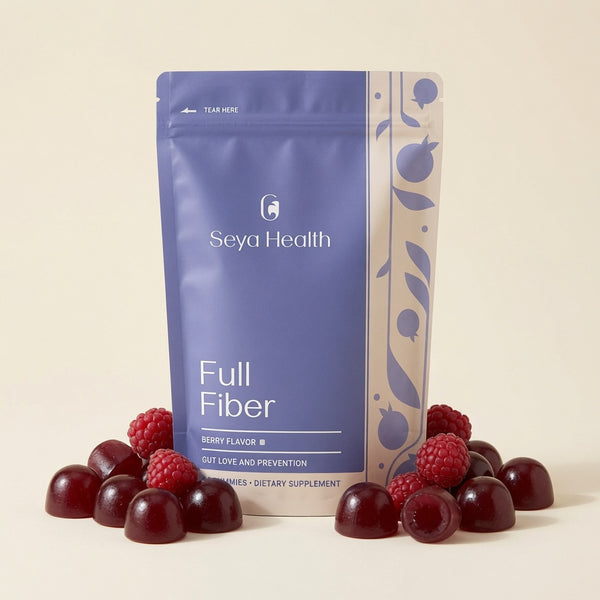
Seya Full Fiber
Most women fall short on fiber. Seya Full Fiber gives you 6 grams from three fibers in three small vegan gummies. Plant based, no gelatin, no sugar alcohols.
Shop Full FiberKeep reading

bone health
Best supplements for women over 40: what the evidence supports for heart, bones and muscles (and what's hype)

creatine
How long does creatine take to work? A realistic timeline for women

constipation